Manage Multiple Credit Cards- Having just one credit card might not be sufficient to cover all your monthly expenses or maximize rewards opportunities. While using multiple credit cards can provide flexibility and benefits, managing them requires careful planning and disciplined execution.
Managing different cards with varying payment dates, interest rates, rewards structures, and credit limits can quickly become overwhelming. However, when handled strategically, multiple credit cards can enhance your purchasing power, improve your credit score, and deliver substantial rewards and benefits.
This comprehensive guide provides practical strategies for managing multiple credit cards effectively while avoiding common pitfalls that can damage your financial health.
Why People Use Multiple Credit Cards
Before diving into management strategies, understanding why multiple cards make sense helps clarify your approach:
- Different cards offer specialized rewards (travel, dining, groceries, fuel)
- Spreading purchases across cards keeps individual utilization ratios low
- Backup options when one card is declined or compromised
- Access to varied benefits like airport lounges, insurance, and concierge services
- Separation of personal and business expenses
- Taking advantage of promotional offers and sign-up bonuses
Essential Strategies to Manage Multiple Credit Cards
1. Create a Comprehensive Budget
Setting a budget is the foundational step for managing multiple credit cards and your overall financial health. Before swiping any card, understand exactly how much you can afford to spend each month across all cards combined.
This discipline is critical because the optimal way to use credit cards is paying off your entire balance monthly, avoiding interest charges entirely. A well-defined budget with predetermined spending limits makes this goal achievable.
Practical budgeting approach:
- Calculate your monthly income after taxes
- Subtract fixed expenses (rent, utilities, insurance, savings)
- Allocate remaining funds across categories (groceries, dining, entertainment, shopping)
- Assign specific cards to specific categories based on their rewards structure
- Track spending weekly to ensure you stay within limits
Example: If your monthly discretionary income is ₹50,000, you might allocate ₹15,000 for groceries (using a card with grocery rewards), ₹10,000 for dining (using a dining rewards card), ₹12,000 for fuel and transportation, and ₹13,000 for miscellaneous expenses.
2. Enable Smart Account Alerts
Leverage technology to stay informed about your credit card activity across all accounts. Enable customized alerts that notify you when specific activities occur, helping you maintain control without constantly checking each account.
Essential alerts to configure:
- Payment due date reminders (5-7 days before due date)
- Large transaction notifications (set threshold based on typical spending)
- Balance approaching credit limit warnings (at 50%, 70%, and 90%)
- Unusual activity or suspected fraud alerts
- Monthly statement availability notifications
- Reward points expiration reminders
These proactive notifications arrive via SMS or email, prompting timely action and preventing costly mistakes like missed payments or fraudulent charges going unnoticed.
Pro tip: Use a dedicated email folder or label system to organize credit card alerts, making it easy to review all notifications in one place weekly.
3. Automate Your Payments Strategically
Managing payment dates across multiple cards can be challenging and risky—missing even one payment damages your credit score and triggers late fees. Automation eliminates this risk while saving time and mental energy.
Automation options:
- Minimum payment: Ensures you never miss a payment, though you’ll carry a balance and pay interest
- Full balance: Best option if cash flow permits—eliminates interest charges completely
- Fixed amount: Provides predictability while potentially paying more than minimum
- Statement balance: Pays what’s actually due, avoiding interest on new purchases
Strategic approach: Set full balance autopay for cards you use regularly and can easily afford to pay off. For cards used for larger purchases or during tight cash flow months, consider fixed amount autopay with manual top-ups when possible.
Important: Always maintain sufficient funds in your linked bank account. Autopay failures due to insufficient funds can still result in late fees and credit score damage.
4. Optimize Your Card Portfolio Size
While there’s no magic number of credit cards to own, more isn’t always better. Each additional card increases complexity, annual fee burden, and the risk of mismanagement.
Considerations for ideal card count:
- Beginners: Start with 1-2 cards and master basic credit management
- Intermediate users: 3-4 cards provide good reward optimization without excessive complexity
- Advanced users: 5-6 cards can maximize category spending if managed meticulously
- Beyond 6-7 cards: Generally unnecessary unless you have specific needs or churning strategies
Red flags indicating too many cards:
- Difficulty remembering which cards you own
- Cards sitting unused collecting dust (and annual fees)
- Missing payments or carrying balances you can’t track
- Spending time managing cards exceeds the value of rewards earned
- Feeling stressed or overwhelmed about credit card management
Streamlining approach: Annually review your card portfolio. Cancel cards that no longer serve your needs, have excessive fees without commensurate benefits, or contribute to management complexity without adding value.
5. Review Statements Meticulously
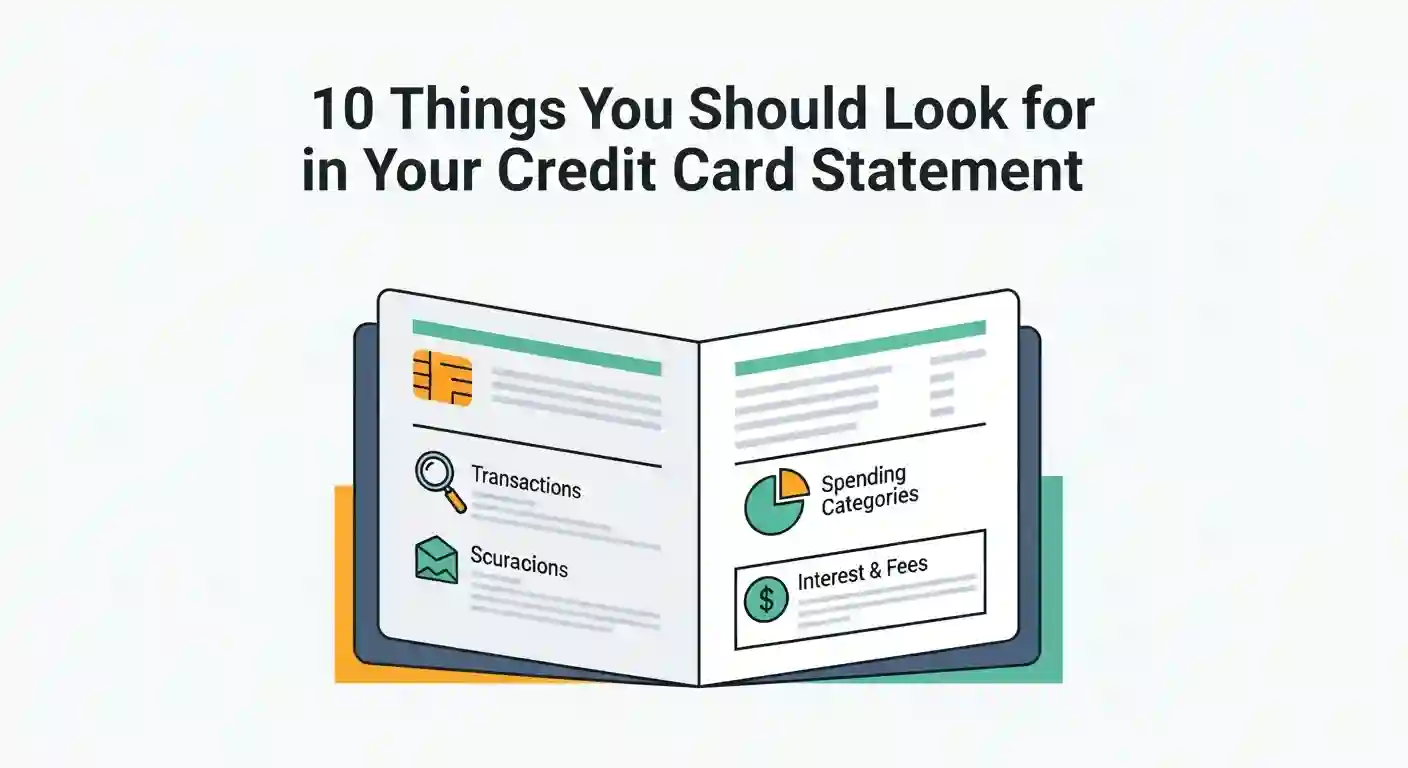
Regular statement reviews serve multiple critical purposes beyond simply checking your balance. Dedicate time each month to thoroughly examine every credit card statement.
What to look for:
- Unauthorized charges: Fraudulent transactions, duplicate charges, or merchants charging wrong amounts
- Billing errors: Incorrect dates, amounts, or descriptions
- Recurring subscriptions: Services you no longer use but forgot to cancel
- Spending patterns: Categories where you’re overspending relative to your budget
- Interest charges: Verify calculations match your expectations
- Reward points earned: Confirm points posted correctly for your purchases
Action steps: Report discrepancies immediately—most issuers have 60-day windows for disputing charges. The sooner you report issues, the faster they’re resolved. Document all communication with issuers for reference.
Time-saving tip: Use credit card mobile apps that categorize spending automatically, making it easier to spot unusual patterns or categories requiring attention.
6. Monitor Your Credit Score and Utilization
Your credit utilization ratio—the percentage of available credit you’re using—significantly impacts your credit score. With multiple cards, monitoring utilization becomes more complex but also more manageable if done correctly.
Optimal utilization strategy:
- Keep overall utilization below 30% across all cards
- Ideally maintain under 10% for excellent credit score impact
- Monitor individual card utilization—even if total is low, maxing one card hurts your score
- Make mid-cycle payments to keep reported balances low
Example: You have three cards with ₹1 lakh, ₹2 lakhs, and ₹3 lakhs limits (total ₹6 lakhs). To maintain 30% utilization, keep combined balances below ₹1.8 lakhs. However, also ensure you don’t have ₹1.8 lakhs on one card while others are empty—spread balances proportionally.
Credit score monitoring: Check your credit score quarterly through free platforms like CIBIL, Experian, or bank apps. Look for:
- Score trends (improving, stable, or declining)
- New accounts or inquiries you didn’t authorize
- Accounts reporting late payments incorrectly
- Credit limit changes affecting your utilization ratio
Balance transfer consideration: If you’re struggling with high-interest debt on one card, consider balance transfer offers from other issuers. Many cards offer 0% interest for 6-18 months on transferred balances, allowing you to pay down principal faster.
7. Maximize Rewards and Benefits Strategically
One major advantage of multiple cards is optimizing rewards across spending categories. However, this requires understanding each card’s benefits structure and using cards intentionally rather than randomly.
Category optimization strategy:
Card 1 – Dining Rewards Card (5% cashback on restaurants):
Use exclusively for all dining, food delivery, and café purchases
Card 2 – Fuel Card (4% cashback at petrol pumps):
Dedicated to all fuel and automotive expenses
Card 3 – Travel Card (10X rewards on travel bookings):
Reserve for flights, hotels, and travel-related purchases
Card 4 – Everything Else Card (1.5% cashback on all purchases):
Default for categories not optimized by other cards
Tracking method: Create a simple reference chart (physical card or phone note) listing each card’s optimal use cases. Review before making purchases to ensure you’re using the right card.
Beyond cashback:
- Airport lounge access (use the card with best global lounge network)
- Travel insurance (book trips with cards offering comprehensive coverage)
- Purchase protection (use for expensive items needing extended warranty)
- Concierge services (leverage for restaurant reservations, event tickets)
- Golf privileges or spa vouchers (premium cards often include lifestyle benefits)
Reward redemption strategy: Don’t let points expire—set calendar reminders for redemption deadlines. Evaluate whether cashback, statement credit, or travel redemptions offer best value for your points.
8. Understand and Minimize Costs
Credit cards carry various fees and charges. With multiple cards, these costs multiply quickly. Ensure the benefits justify the expenses for each card in your portfolio.
Common credit card costs:
- Annual fees: ₹500 to ₹50,000+ depending on card tier
- Interest charges: 36-48% annually on carried balances
- Late payment fees: ₹500-1,500 per occurrence
- Over-limit fees: Charged when you exceed credit limit
- Foreign transaction fees: 3-5% on international purchases (waived on travel cards)
- Cash advance fees: 2-3% plus immediate interest accrual
- Fuel surcharge: Some cards charge 1% on fuel (though many waive this)
Cost-benefit analysis example:
Card with ₹5,000 annual fee:
- Benefits: Airport lounge access (12 visits = ₹6,000 value)
- Cashback earned: 2% on ₹3 lakhs spending = ₹6,000
- Total value: ₹12,000
- Net benefit: ₹7,000 (justifies the fee)
Card with ₹2,000 annual fee:
- Benefits: Limited lounge access (4 visits = ₹2,000 value)
- Cashback earned: 1% on ₹1 lakh spending = ₹1,000
- Total value: ₹3,000
- Net benefit: ₹1,000 (marginally justified—consider alternatives)
Action step: Annually audit each card’s cost-benefit ratio. If a card’s fees exceed its benefits and you can replace it with a better alternative, consider cancellation or downgrading to a no-fee variant.
9. Advanced Management Techniques
Create a Payment Calendar
Organize all credit card payment due dates in a centralized calendar system. This visual overview helps prevent missed payments and allows strategic payment timing.
Calendar setup:
- Note each card’s statement generation date and payment due date
- Set reminders 5-7 days before each due date
- Color-code cards for easy visual identification
- Include credit limits and current balances for quick reference
Strategic timing: If possible, request payment date changes to align cards to similar dates, simplifying your payment workflow. Many issuers accommodate such requests.
Maintain an Emergency Fund
Never rely solely on credit cards for emergencies. Maintain a separate emergency fund covering 3-6 months of expenses in a liquid savings account. This prevents using credit cards for unforeseen expenses that you can’t pay off immediately, avoiding debt spirals.
Use Digital Tools and Apps
Leverage technology to simplify multi-card management:
- Aggregator apps: Platforms like CRED, Paytm, or bank apps consolidating multiple card views
- Expense tracking: Apps like Money Manager, Walnut, or Excel spreadsheets tracking spending by category
- Credit monitoring: Apps providing free credit scores and monitoring services
- Reward tracking: Tools helping track points across multiple loyalty programs
Secure Your Cards Properly
With multiple cards comes increased security responsibility:
- Store cards securely at home; carry only those needed daily
- Enable two-factor authentication for online card accounts
- Use virtual card numbers for online purchases when available
- Immediately report lost or stolen cards to issuers
- Regularly update passwords for online card access
- Be cautious of phishing emails claiming to be from card issuers
Common Mistakes to Avoid
Understanding pitfalls helps you proactively prevent problems:
#1. Missing Payment Due Dates
Even one missed payment damages credit scores and triggers late fees. The impact compounds across multiple cards if management slips.
Solution: Automation and calendar reminders eliminate this risk entirely.
#2. Carrying Balances and Paying Interest
Interest charges on multiple cards quickly negate any rewards earned. If you can’t pay full balances monthly, you’re using credit cards incorrectly.
Solution: Only charge what you can afford to pay off completely. If carrying balances, prioritize highest-interest cards for accelerated payoff.
#3. Opening Too Many Cards Too Quickly
Multiple hard inquiries within short periods damage credit scores. Additionally, rapid account opening signals risk to lenders.
Solution: Space new card applications 3-6 months apart. Only apply when you genuinely need additional credit or significantly better benefits.
#4. Closing Old Cards Impulsively
Closing older credit cards reduces your average account age and total available credit—both factors in credit scoring.
Solution: Unless annual fees are excessive, keep old cards open with occasional small purchases to maintain activity.
#5. Chasing Rewards Excessively
Overspending to earn rewards or meet spending thresholds defeats the purpose. Rewards should enhance planned purchases, not drive unnecessary spending.
Solution: Stick to your budget rigorously. If rewards naturally accrue from budgeted spending, great. Never justify purchases solely for rewards.
When to Consider Reducing Your Cards
Sometimes fewer cards better serve your financial health:
Indicators you should consolidate:
- Difficulty tracking spending across multiple accounts
- Carrying balances you can’t pay off monthly
- Missing payments despite reminders
- Annual fees exceeding benefits received
- Feeling overwhelmed or stressed about card management
- Credit utilization exceeding recommended limits
- Opening cards impulsively without strategic purpose
Consolidation approach: Keep 2-3 cards providing the most value and serving different purposes (one general rewards card, one travel card, one with longest credit history). Close others systematically, starting with newest cards charging fees without justification.
Building a Sustainable System
Effective multi-card management requires developing sustainable habits:
Weekly Check-ins (15 minutes)
Review recent transactions across all cards, verify charges, categorize spending against budget.
Monthly Reviews (30-45 minutes)
Thoroughly review statements, pay balances, assess budget adherence, check reward points, evaluate whether cards are serving intended purposes.
Quarterly Audits (1-2 hours)
Check credit score, analyze spending trends, reassess card portfolio fit with current lifestyle, research new card offerings if current cards underperform.
Annual Strategy Sessions (2-3 hours)
Comprehensively evaluate entire credit card strategy, calculate net benefit of each card, consider cancellations or additions, update budget and financial goals, review security practices.
Conclusion
Managing multiple credit cards successfully requires discipline, organization, and strategic thinking. When executed properly, a well-managed card portfolio maximizes rewards, improves credit scores, provides financial flexibility, and delivers valuable benefits that enhance your lifestyle.
The key lies not in the number of cards you own but in how effectively you manage them. Start by implementing the fundamental strategies outlined in this guide—budgeting, automation, regular reviews, and strategic card usage. As these practices become habitual, you’ll find managing multiple cards not only manageable but genuinely beneficial to your financial well-being.
Remember, credit cards are powerful financial tools. Like any tool, they deliver value when used skillfully and cause harm when mishandled. Invest time in developing strong credit card management habits, and you’ll reap the rewards for years to come.
Learn More:
- How to Apply for Flipkart Axis Bank Credit Card Online/Offline
- How to Apply for the Dhani Super Save Credit Card: Complete Guide
- How to Apply for Bajaj Finserv EMI Card Online/Offline
- Airtel Payment Bank Loan: How to Get a ₹5,000 Loan in Just Minutes
How to Manage Multiple Credit Cards: Frequently Asked Questions
How many credit cards should I have?
There’s no perfect number—it depends on your financial discipline and lifestyle needs. Most people manage 2-4 cards effectively. Beyond 5-6 cards, complexity often outweighs benefits unless you’re an experienced user.
Does having multiple credit cards hurt my credit score?
Not necessarily. Multiple cards can improve your score by lowering credit utilization and increasing credit history depth—if managed properly with on-time payments and low balances. However, too many recent applications hurt your score temporarily.
Should I close credit cards I don’t use?
Not always. Closing cards reduces available credit and may shorten credit history, potentially lowering your score. Unless the card charges high annual fees, consider keeping it open with occasional small purchases.
Can I transfer balances between my credit cards?
Yes, many cards offer balance transfer facilities, often with promotional 0% interest periods. This can help consolidate debt and save on interest, but watch for balance transfer fees (typically 1-3% of transferred amount).
What if I can’t pay the full balance on all my cards?
Prioritize paying at least the minimum on all cards to avoid late fees and credit damage. Then, apply extra payments to the highest-interest card first. However, consistently carrying balances indicates you’re overextended and should reduce credit card usage.