Fixed deposits (FDs) are one of the most popular investment choices in India. They are safe, reliable, and offer a steady return after the maturity period. However, interest rates on FDs have been low for a while, which is why many banks are now offering extra benefits—like health insurance—to make these deposits more attractive. But are these add-on benefits really worth it? Let’s take a closer look.
What Do FDs with Health Insurance Offer?
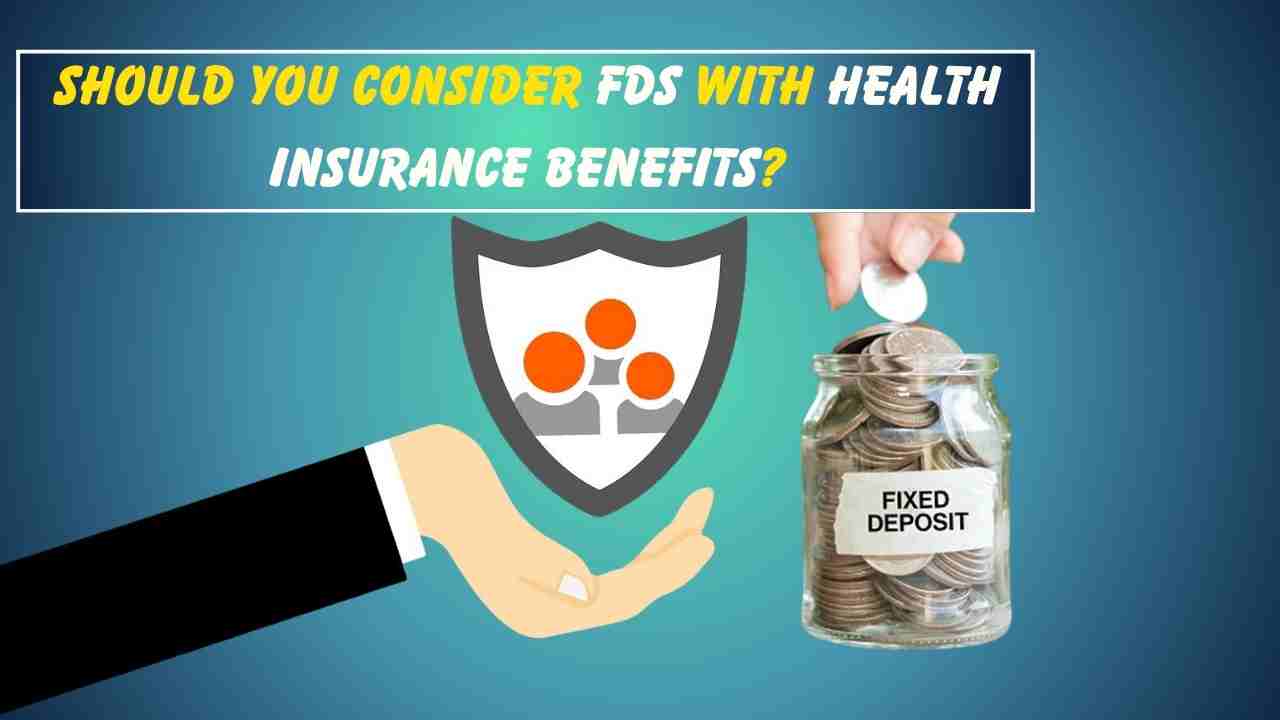
Some banks are now partnering with insurance companies to provide health insurance benefits along with their FDs. These benefits may include coverage for critical illnesses, pharmacy expenses, OPD consultations, and even protection against diseases like COVID-19. On the surface, this seems like a smart deal—get your money safe and secure, and enjoy some health coverage too.
What Are the Key Features?
- Same Interest Rates: FDs with health insurance benefits offer the same interest rates and tenures as regular FDs. For example, if the standard FD rate is 6% for 2 years, the FD with insurance will also offer 6% for 2 years.
- Limited Coverage: The health insurance coverage is usually limited. Most plans cover only specific ailments, and the cover amount is often between ₹1 lakh and ₹2 lakh. Not all health issues are covered, and the benefits may not be enough for major medical emergencies.
- Age and Amount Limits: There are restrictions on age and deposit amounts. For instance, some banks require the depositor to be under 50 years old, while others allow up to 70. The minimum deposit can be as low as ₹10,000, and the maximum may go up to ₹3 lakh.
- Tenure Mismatch: The insurance cover is only valid for the FD tenure, which is usually around 2 years. If you break the FD before maturity, you may lose the insurance benefit.
Should You Opt for FDs with Health Insurance?
Here are a few things to consider before choosing such a plan:
- Same Returns: You won’t get higher interest rates or extra returns by opting for an FD with health insurance.
- Limited Benefits: The health insurance cover is basic and may not meet all your needs, especially for serious illnesses.
- Senior Citizens Focused: Many of these plans are designed for senior citizens and may not suit everyone.
- Only for the First Depositor: The insurance cover usually applies only to the primary account holder.
- No Replacement for Comprehensive Insurance: These plans are not a substitute for a full health insurance policy. They are more like an extra safety net.
The Bottom Line
FDs with health insurance benefits can be a good option if you want a little extra protection along with your savings. However, they are not a replacement for comprehensive health insurance. The benefits are limited, and the insurance cover is only valid for the FD tenure. Before investing, carefully read all the terms and conditions, and make sure the plan matches your needs. If you already have good health insurance, an FD with insurance benefits may not add much value. But if you’re looking for a basic cover and want to keep your money safe, it’s worth considering. Always compare different plans and choose the one that suits your situation best.
Learn More:
- How to Start Investing in Mutual Funds in India – Step-by-Step Process for Beginners
- Difference Between Mutual Funds and Stocks – Which is Better for Beginners?
- Understanding NAV (Net Asset Value) in Mutual Funds – What It Means and Why It Matters
- Risks Involved in Mutual Fund Investments – Common Risks and How to Manage Them