Have you ever been in a situation where your credit card limit was too small to finance something big, or perhaps very important, but your card didn’t have enough available credit? If so, don’t worry-you are not alone. Lots of people want to increase their credit card limit for many reasons. The good news is that getting a higher credit limit is possible and is not as complicated as it may sound.
Credit Card Limit
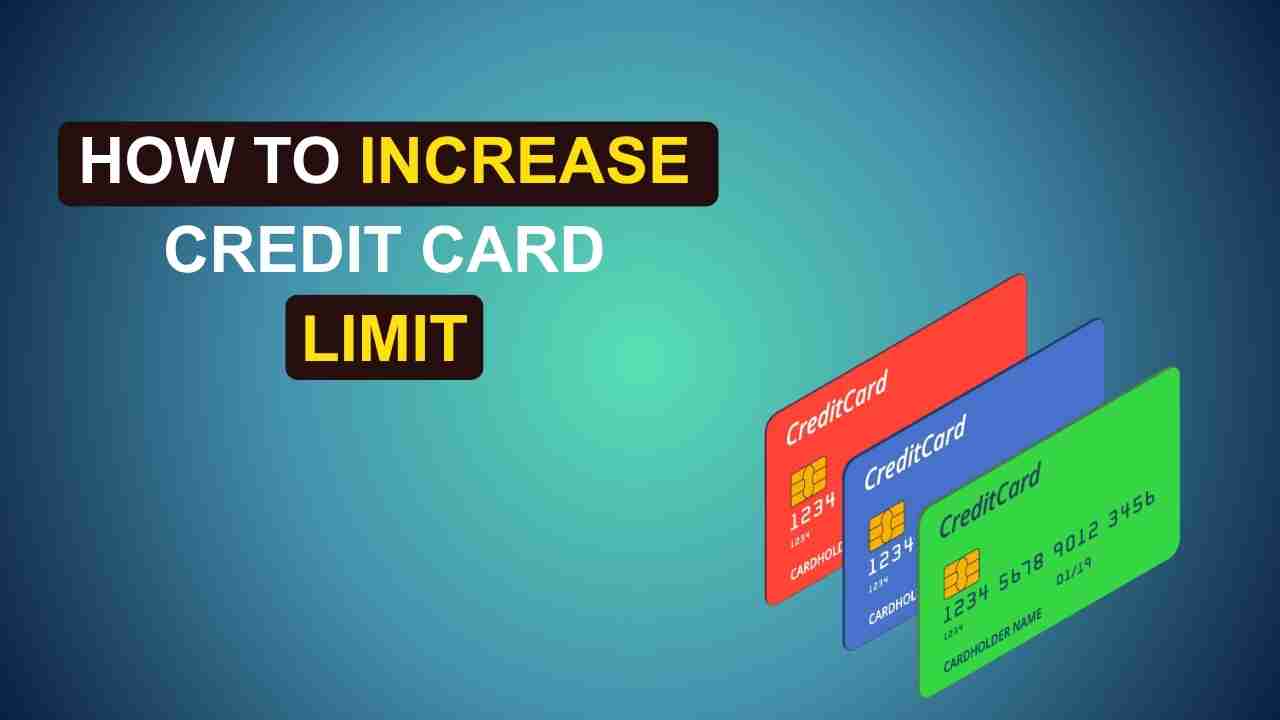
A credit card limit is the maximum amount you can spend on your card. When you get a new credit card, its credit limit is set by the bank according to your income, credit score, and financial history. But more often than not, your financial situation might improve over time. Your salary may increase, you may pay all bills on time consecutively, or you may just need increased spending power for contingencies or planned buys.
Increasing your credit limit can grant you more financial flexibility and even help improve your credit score when used responsibly. However, many people don’t know how to request an increase or what steps to take to become eligible for one. Whether you’re planning a big expense, want to improve your credit utilization ratio, or simply need more breathing room with your finances, understanding how to increase your credit card limit is valuable knowledge. Let’s explore the practical ways to achieve this goal.
Ways to Increase Your Credit Card Limit
There are several effective methods to increase your credit card limit. Each approach has its own benefits, and you can choose the one that suits your situation.
#1. Always Pay Your Bills on Time
Your payment history is the most important factor that banks consider. If you pay your credit card bills on time for at least 6 to 12 months, you show the bank that you’re a responsible borrower. Banks love customers that make payments on time because it reduces their risk. Make it a habit to never miss a payment, and always try to pay more than the minimum amount due. This responsible behavior signals to your bank that you can handle a higher credit limit.
#2. Maintain Low Credit Utilization
Credit utilization refers to the proportion of available credit that you are using. For instance, if the credit limit is Rs 1 lakh and the spending is Rs 30,000, then the utilization is 30%. Banks prefer to see utilization below 30%. If you regularly use 70% or 80% of your limit, it shows that you’re struggling to make ends meet. Keep your spending under control and there’s a better chance banks will increase your limit. The lower your utilization, the better you look to lenders.
#3. Update Your Income Information
Did you recently get a salary hike? Started a new job with better pay? Changed from a salaried job to a business that earns you a better income? Well, let your bank know! Most banks may not always be aware of your improved financial condition. You can upgrade your income details on your bank’s app, website, or even by walking into the branch. Once the banks notice that your income has gone up, chances are they will be more considerate of offering a higher credit limit because you have extra money to pay them back.
#4. Request a Credit Limit Increase
Sometimes, all you need to do is ask. Most banks allow you to request a credit limit increase directly through their mobile app, website, or customer care. If you’ve been a good customer for 6-12 months, go ahead and place a formal request. The bank will review your account and decide based on payment history, credit score, and the level of income. Many banks even have pre-approved limit increase offers for eligible customers, which means you can get an increase instantly without any extra documents.
#5. Wait for Automatic Annual Increases
Many banks offer automatic annual credit limit increases to customers who have exhibited good payment behaviour over the course of the year. If you’ve paid your bills on time and used your card responsibly, your bank may automatically raise the limit on your card’s anniversary date. You don’t have to do anything-just keep being a responsible cardholder, and it’ll happen automatically.
#6. Apply for a New Credit Card
If your bank declines the request or you need a higher limit urgently, apply for a new credit card from another bank. Opt for those that can offer you a higher credit limit against your improved current income and credit score. You could have multiple cards to increase the aggregate available credit, but remember, if you can handle multiple cards responsibly and don’t overspend.
#7. Offer a Fixed Deposit as Security
Some banks offer secured credit cards where you can pledge a fixed deposit to get a higher credit limit, usually a percentage of your fixed deposit amount. This would be a great option if you have some savings and want to guarantee a higher limit while building up your credit history in the process.
#8. Upgrade Your Credit Card
Most banks have credit cards on different tiers: Classic, Gold, Platinum, or Premium cards. If you are using the basic one, then you might want to ask your bank for an upgrade to a higher tier. The premium cards have higher credit limits with added benefits such as lounge access, reward points, and cashback offers.
Benefits of Increasing Credit Card Limits
There are several practical benefits that come with getting an increased credit card limit, which can enhance one’s financial life.
#1. Better Credit Utilization Ratio
If spending stays the same but your credit limit goes up, your credit utilization ratio goes down automatically. For example, if you spend Rs. 20,000 monthly with a Rs. 50,000 limit, then your utilization is 40%. But if your limit increases to Rs. 1 lakh, your utilization drops to 20%. A lower utilization ratio improves your credit score, and thus helps you get better loan offers in the future.
#2. More Purchasing Power
A higher credit limit gives you the freedom to make big-ticket purchases when needed. Whether it’s buying a new laptop, booking a family vacation, or handling a medical emergency, you’ll have the financial cushion to manage these expenses without maxing out your card. This is especially helpful during unexpected situations where you need immediate funds.
#3. Emergency Financial Backup
A greater credit limit allows you to make big-ticket purchases when required. Be it purchasing a new laptop, booking a family vacation, or attending to a medical emergency, you will have the cushion to see through such expenses without having to max out your card. It’s always better to have the credit available and not need it than to need it and not have it.
#4. Improved Credit Score
When used responsibly, a higher credit limit can boost your credit score in the long run. This is because your credit utilization is low, and you appear as a low-risk borrower to lenders. A good credit score opens doors to better interest rates for loans and makes it easier to get approval for home, car, and even rental agreements.
#5. Better Rewards and Benefits
Most credit cards give better rewards, cashback, and benefits when you spend more. With a higher limit, you are allowed to use your card for more expenses, thereby making the most out of its reward points, cashback, or airline miles it offers. Some premium cards with high limits come with exclusive perks, including airport lounge access, travel insurance, and concierge services.
#6. Flexibility in Managing Monthly Expenses
A higher limit gives more flexibility in managing monthly cash flow. You can make all your regular expenses on the card and pay the bill at the end of the month, without having to worry about reaching your limit. This is especially useful for people who get their salary at month-end but have expenses throughout the month.
#7. Avoid Declined Transactions
Nothing is more embarrassing than having your card declined at a store or restaurant because you’ve reached your limit. A higher credit limit reduces this risk and ensures your transactions go through smoothly, giving you confidence when making purchases.
How Do I Request a Credit Limit Increase on My Credit Card?
Requesting an increase in the credit limit is relatively straightforward. Here’s precisely how you can do it through different methods.
Online Through Mobile App or Website
This is the easiest and quickest way. Log in to your bank’s mobile app or internet banking website. Under the Credit Card Services section, find the option saying “Manage Credit Card” or “EMI & More.” Many banks will have an option to “Request Credit Limit Increase” or “Increase Limit.” Just click on it and follow the on-screen instructions. You will generally be asked to update your income details, employment information, and the amount of increase you are seeking. Many banks display pre-approved offers in this section that can be instantly accepted with no documentation. Submit your request, and you will usually get a response within 2 to 7 business days.
Call Customer Care
You can also call your bank’s customer care number, which is mentioned on the back of your credit card. Tell the customer service representative that you are interested in requesting an increase in the credit limit. They will ask a few questions regarding your income, employment details, and the reason for increasing the limit. Have your recent salary slips, bank statements, or any proof of income ready during the call. The representative will guide you through the process, telling you what documents to submit, if needed. By using this approach, one can immediately get a lot of their queries clarified, such as eligibility and processing time.
Visit Your Bank Branch
Visiting your bank branch is another option for those who like face-to-face interaction. Take your credit card, identity proof, address proof, and latest income documents like salary slips or income tax returns with you. Meet a representative from the bank and fill up the “Credit Limit Enhancement Form” available at the bank branch. Submit the form with required documents. The bank will process your request and inform about the decision within a few days. This route is good if you want personalized assistance and have all your documents at your disposal.
Through Email
A few banks have the facility to accept credit limit enhancement requests through e-mail. Send a formal e-mail to your bank’s credit card department stating your request. Mention your credit card number, name as it appears on the card, reason for requesting the increase, and updated details of your income. Attach scanned copies of income proof and other documents required by the bank. Ensure that the mail is sent from your registered e-mail address. The bank will process your request and revert through e-mail with the further course of action or approval.
Wait for Pre-Approved Offers
Banks identify eligible customers from time to time and send them an SMS or email, or an offer on the monthly credit card statement, offering a pre-approved increase in credit limits. If such an offer comes to you, instantly accept it by clicking on the link provided without submitting any documents. This is the quickest way of getting an increase since the bank has already appraised your eligibility. Monitor your message and e-mail inbox for such an offer, particularly around your card anniversary date.
Tips for a Successful Request
Before requesting any increase, ensure that you have been using your card for at least 6 months with no pending dues, maintain good credit utilization below 30%, and have a credit score above 720. Clear all outstanding payments completely before applying. Do not request increases too often; try to wait 6 months at a time between requests. Be realistic about the amount you are requesting. Asking to double your limit might be too ambitious if you’re just a new customer; instead, ask for a modest increase of 20-30% and build up gradually over time.
Conclusion
Increasing your credit card limit makes a lot of financial sense if done for the right reasons and managed responsibly. Whether you request an increase on your existing card, apply for a new card with a higher limit, or wait for automatic annual increases, there are multiple paths to achieving your goal. Banks look for consistent on-time payments, low credit utilization, improved income, and a good credit score.
Keep in mind that a higher credit limit is not a license to spend more-it’s a tool for better financial management and readiness for any eventuality. Use it judiciously, keep your spending in check, and pay your bills on time. A higher credit limit can reward a good credit score, facilitate more substantial purchases, and provide peace of mind during unexpected financial events. Start by reassessing your current financial habits, strengthen any weak areas, and then feel confident about requesting the credit limit increase you deserve.
Learn More:
- How to Apply for Flipkart Axis Bank Credit Card Online/Offline
- How to Apply for the Dhani Super Save Credit Card: Complete Guide
- How to Apply for Bajaj Finserv EMI Card Online/Offline
- Airtel Payment Bank Loan: How to Get a ₹5,000 Loan in Just Minutes
How to Increase Credit Card Limit: FAQ
Q1: How long should I wait before requesting a credit limit increase?
It’s best to wait at least 6 to 12 months after getting your credit card or your last limit increase before requesting another increase. This gives you enough time to build a strong payment history that banks can review.
Q2: Will requesting a credit limit increase hurt my credit score?
It depends on the type of inquiry. If the bank does a soft inquiry (which most automatic increases involve), it won’t affect your credit score. However, if you formally apply and the bank conducts a hard inquiry, it might temporarily lower your score by a few points. The impact is usually minimal and short-lived.
Q3: Can I get a credit limit increase with a low credit score?
It’s challenging but not impossible. If your credit score is low, focus first on improving it by paying all bills on time, reducing your credit utilization, and clearing any outstanding debts. Once your score improves above 720, your chances of approval increase significantly.
Q4: What happens if my credit limit increase request is rejected?
If your request is rejected, don’t worry. Ask the bank for the reason—it could be insufficient income, high credit utilization, recent late payments, or too many credit inquiries. Work on improving these areas and reapply after 6 months. Alternatively, you can apply for a new credit card from a different bank.
Q5: Does increasing my credit limit mean I should spend more?
Absolutely not. A higher credit limit should not be seen as extra money to spend. It’s meant to give you financial flexibility and improve your credit utilization ratio. Continue spending only what you can afford to pay back in full each month.
Q6: How much of a credit limit increase should I request?
Start with a modest increase of 20-30% of your current limit if you’re a relatively new cardholder. If you have a strong payment history and significantly increased income, you can request 50-100% increase. Be realistic based on your income and repayment capacity.
Q7: Can I increase my credit limit if I have multiple credit cards?
Yes, you can request limit increases on all your cards independently. However, banks consider your total credit exposure across all cards. Make sure you’re managing all your cards responsibly before requesting increases on multiple cards.
Q8: Is it better to get a new credit card or increase the limit on my existing card?
Both have advantages. Increasing your existing card’s limit is simpler and doesn’t involve a new hard inquiry (in many cases). Getting a new card gives you promotional offers, additional reward categories, and diversifies your credit mix. Choose based on your specific needs and financial goals.
Q9: Do I need to submit documents for a credit limit increase?
It depends. For pre-approved automatic increases, no documents are needed. For formal requests, banks may ask for updated income proof like salary slips, bank statements, or income tax returns, especially if you’re requesting a significant increase.
Q10: Can I temporarily increase my credit limit for a specific purchase?
Some banks offer temporary credit limit increases for special occasions like weddings, vacations, or large purchases. Contact your bank’s customer care to check if this option is available. The temporary increase usually lasts for a specific period (like one billing cycle) and then returns to your original limit.